
Watch out for the heat! Heat rashes, heat exhaustion, and heatstroke are all too common, reports Matthew Solan for Harvard Health. And, older adults are particularly at risk because of biology.
As we get older, our bodies are not as adept at regulating our body temperatures in response to the heat. And, if you have a heart condition, the summer heat is likely to affect you all the more. Your blood flow is less strong. As a result your body does not cool as quickly.
If you have high cholesterol, you also have a harder time adapting to the summer heat. Your arteries are narrower and, again, blood flow is less strong. So, your body struggles to fight off the heat through sweat. Beta blockers and other heart medications slow your heart beat so that your heart does not circulate blood as quickly. That, in turn, keeps your body from cooling. Diuretics cause you to urinate more and to be a risk of dehydration.
If you get heat rash–bumps on the surface of your skin that itch a lot–wear light and loose clothes, take lots of cool showers and make sure the surface of your skin can breathe. You can use calamine lotion to relieve the itch. If you get a heat exhaustion, your body won’t cool as easily. You’ll sweat a lot, experience muscle pain and lightheadedness. Take off any clothes you can, including socks and shoes. Take a cold shower and use cold compresses. Turn on the air conditioner and drink a lot of cold water.
What to do to stay cool:
- Stay out of the sun during the hottest time of the day. Do your chores and other activities in the early morning or late afternoon.
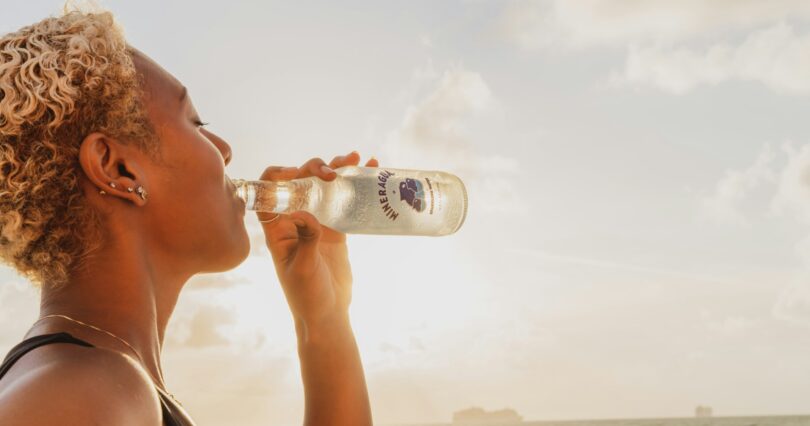
- Drink a lot of water, particularly when you’re outside. Harvard Health recommends eight ounces of water every 15 to 20 minutes! Your urine will likely darken if you are dehydrated.
- Wear a hat when you’re out in the sun!
- Wear light fighting clothing.
- Wear at least 30 PDF sunscreen . If you get a sunburn, it will raise your risk of dehydration and make it harder for your body to cool down. impairs your body’s ability to cool down and increases dehydration. When you’re outdoors, wear a wide-brimmed hat, wraparound sunglasses, and lightweight, light-colored, loose-fitting clothing.
- Wear sunglasses to protect your eyes, which are vulnerable to the sun’s ultraviolet rays.
Here’s more from Just Care:
- It’s summer: How to care for your aging skin?
- Sunlight might be the best disinfectant, but it also might increase the risk of glaucoma and cataracts
- Five ways to stay healthy and feel better longer, as you age
- Bug repellents: Which ones are safe?
- Caregiving: Keeping Parents Healthy – Water, Walking, Watch out for Delirium