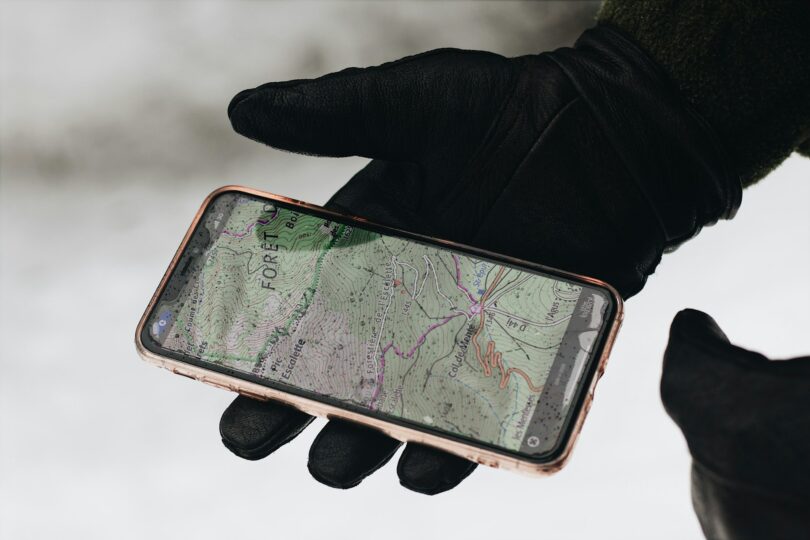

Michael Scaturro reports for the Washington Post on how your phone tracks your location and then sends targeted messages to you. If you’re at the doctor, you could be seeing ads for an array of medical treatments.
One cancer patient began seeing ads for fake cancer cures after visiting his doctor. When he would get bloodwork, his phone would send him messages about “cancer” treatments, such as juice cleanses. Or, he would hear about a Mexican health clinic that could save his life with minimal chemotherapy. The risks for people who actually heed the sales pitches could be monumental.
Companies might push supplements for people who are in poor health. And, those supplements could be toxic. They could lead to neurological problems. Or, they could undermine the value of people’s prescriptions.
The vast majority of Americans do not want their location data sold to companies eager to market to them. But, right now, if you’ve let your phone track your location, you have few if any privacy protections.
It is hard for states or the federal government to stop the data brokers from selling your data. California gives people the right to delete their data. But, the overwhelming majority of data brokers apparently are not abiding by the California law. Other states, such as Connecticut and Oregon prohibit the sale of exact geolocation data, but the data companies are pushing back, claiming it is not sensitive data.
Not surprisingly, companies argue that the advertising helps people, leading them to products that they might want to know about. Of course, the big tech companies that are selling data, such as Facebook and Google, are making fortunes off of it.
There are at least 750 data brokers in the US, a large number of which are not registering their services. Americans cannot opt out or even verify whether the information collected on them is accurate.
Some organizations have found that the data brokers have lots of inaccurate information on people. But, it’s only a matter of time before they clean it up. And, they know more about you than you might imagine. The information can range from whether someone has been at an abortion clinic to a political rally or a protest.
Sometimes, companies force people to opt-in to sharing their location data if they want to use a particular app or web site. Moreover, even if sensitive information is not available, the data can show where you were heading and where you left, enough to identify where you were.
The Federal Trade Commission (FTC) is looking into some company practices that use personal data to raise prices of their products for some people.
What can you do to protect your privacy? Don’t authorize location tracking if you don’t need to. Make sure ad tracking is not permitted on your phone. You can also put your phone on airplane mode if you are going somewhere that you don’t want tracked.
Here’s more from Just Care:
- Cool tech for the older set
- Apple expands further into the health and fitness space
- Health tech that helps patients in hospital
- Tech solutions to help prevent you from falling
- Japanese test technology to improve health of older adults